What inspired you to create Caralarga? And what does this brand represent for you?
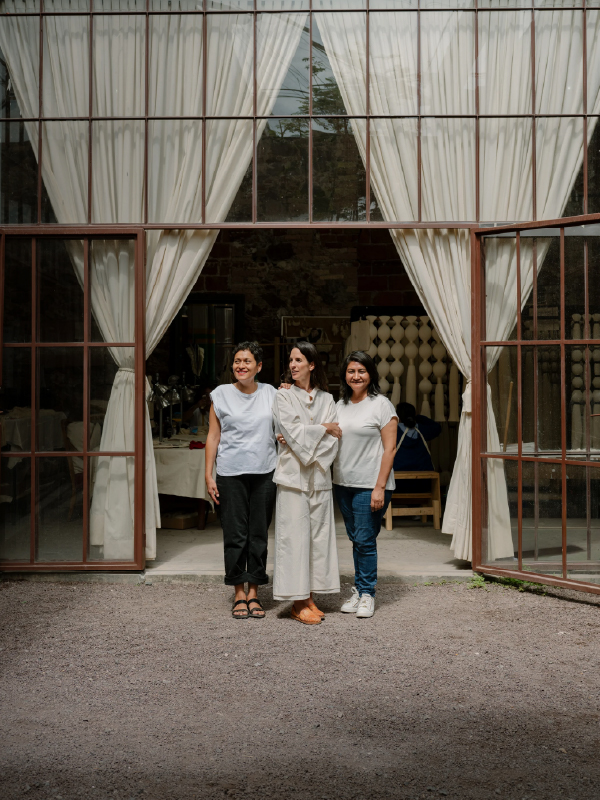
It all started in 2014 at the historic ‘El Hércules’ textile factory. Ana Holschneider and Socorro Gasca found beauty in raw cotton thread and textile waste that others saw as leftovers. Shortly after, Ariadna García joined the project; together, they saw a profound opportunity to vindicate the community’s heritage by reintegrating the people of Hércules into textile production. For us, Caralarga represents a creative legacy built in community; it’s a tribute to the versatility of nature and the power of handcrafted work to transform spaces and lives.
How would you describe the relationship between utility, beauty, and sustainability?
We guide our work through three principles: the use of natural, biodegradable materials, the recovery and reuse of waste, and the creation of timeless pieces.
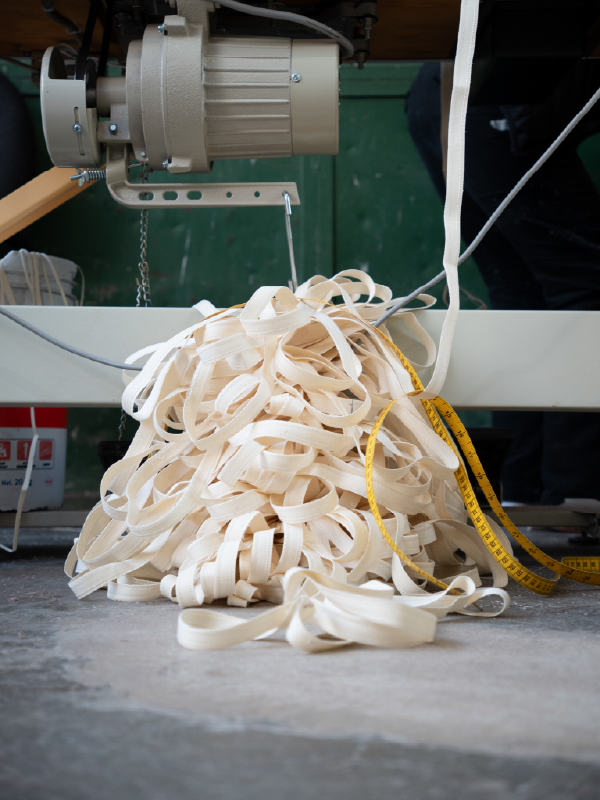
Beauty lies in the simplicity of the material, sustainability is our conscious choice to minimize waste (like our “Recuperado” technique), and utility is found in how these pieces bring a sense of nature and history into a modern environment.
CaraLarga
What are the main steps in creating a Caralarga piece?
It is a journey of collective experimentation.
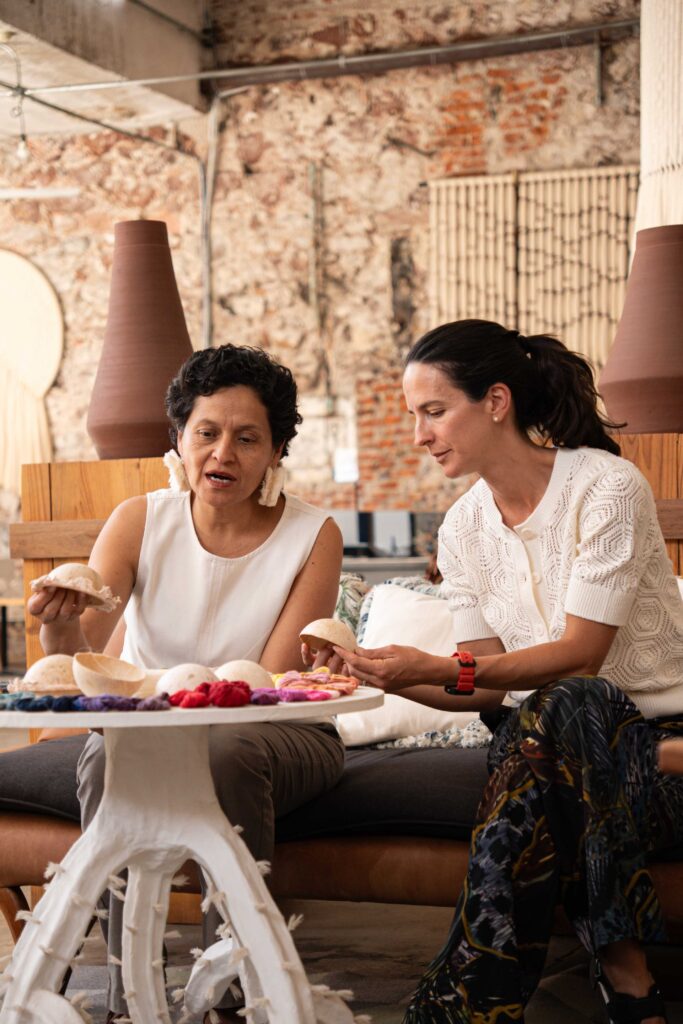
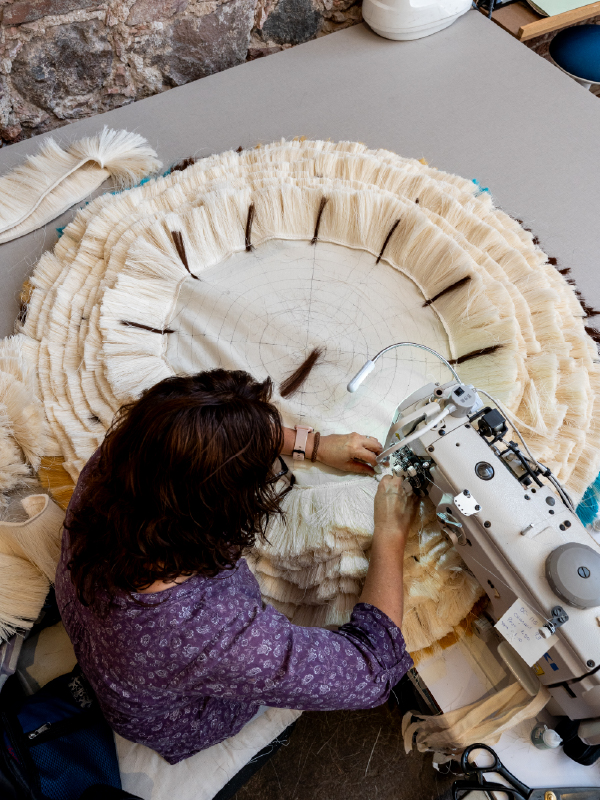
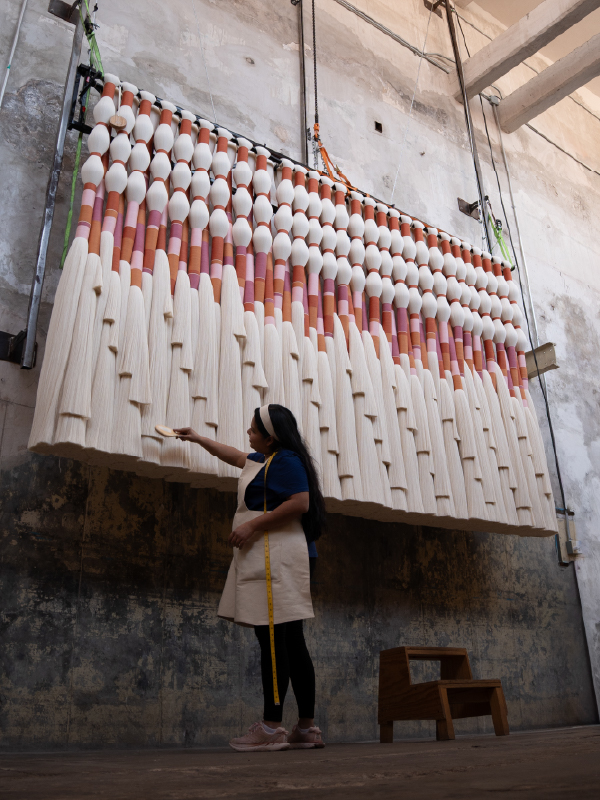
It begins with the raw material—cotton thread, sansevieria fiber, or recycled bull horn. Then, we apply specialized techniques we’ve consolidated over years, such as Tassels, Braided, Cord, or Festoons.
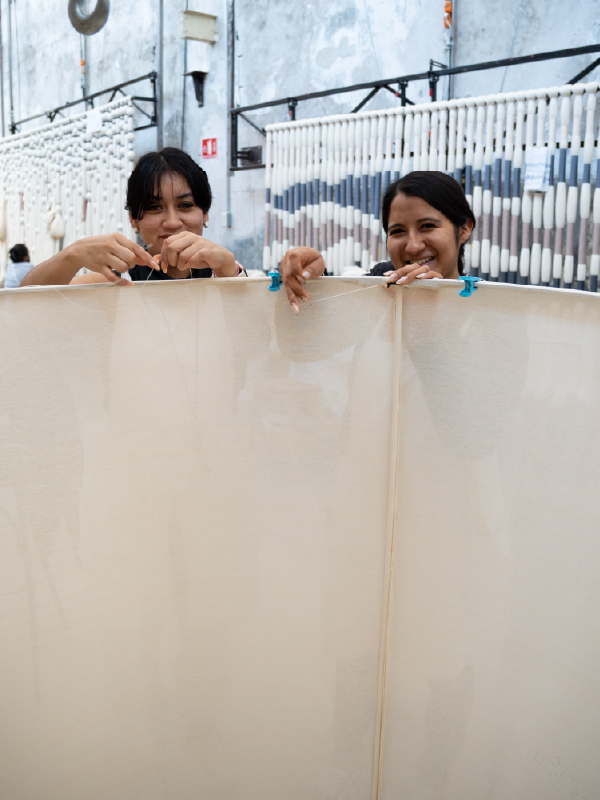
Every piece is a process of “trial and error” where artisans and designers collaborate to see how far the texture can go. Finally, the assembly involves a team of 50 professionals, ensuring that every knot and stitch honors the material’s origin.
CaraLarga
You incorporate traditional Mexican techniques into contemporary designs. How does this combination influence the final result?
It creates a unique minimalist abstraction. We take motifs from pre-Hispanic myths, legends, and nature’s architecture and simplify them.
This combination allows our work to feel deeply Mexican and ancestral, yet perfectly suited for a contemporary, international aesthetic. It invites the viewer to interpret the culture through texture and form.
CaraLarga
How do you work with local artisans, and why is it important for you to preserve these skills?
We work through collaborative partnerships in Querétaro neighborhoods like Hércules, La Cañada, and Sombrerete, and recently with Mayan artisans in Yucatán for sansevieria fibers.
Many of our artisans developed their craft from scratch with us. Preserving these skills is vital because they represent human value. We believe the work of artisans is a source of pride, and our duty is to uphold their dignity, creativity, and original techniques in a world of mass production.
What impact do you hope to have for your creative community and an international audience?
Locally, we aim to build a sustainable and respectful ecosystem where 50+ families grow together through honest work. Internationally, we want to show that Mexican design is sophisticated and sustainable. We want the world to see that “handmade” can be synonymous with high-end, contemporary luxury that respects the planet.
CaraLarga
Is there a piece or memory that captures the essence of what you do?
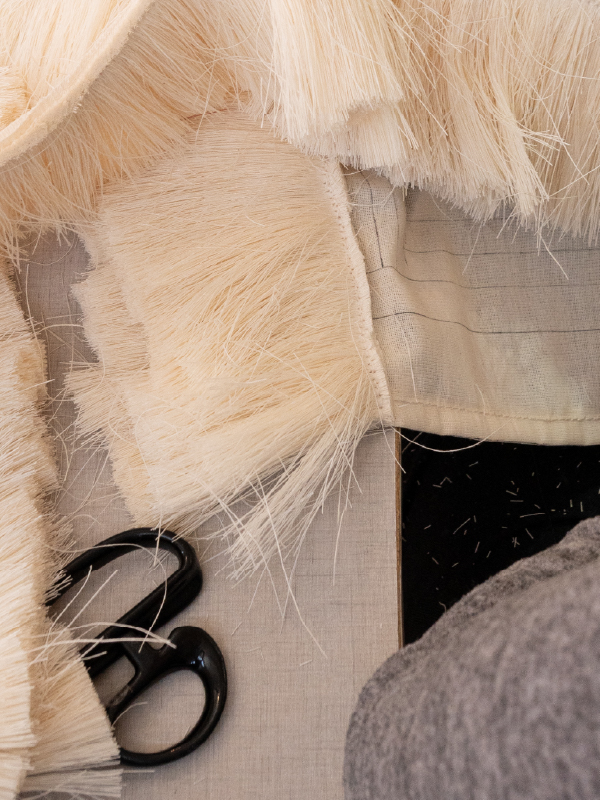
The essence is captured in our “Recuperado” technique. It’s the moment we take the leftovers from our large-format mural pieces and, instead of discarding them, we transform them into something new.
It perfectly captures our philosophy: nothing is wasted, everything has the potential to become art if you look at it with enough love and creativity.
CaraLarga
What are your dreams or future plans for Caralarga?
Our dream is to build a long-lasting project that continues to share human and creative values. We envision the next chapter as an expansion of our social model—collaborating with more artisan workshops across Mexico, exploring new natural fibers, and continuing to prove that sustainable, artisanal work is the future of conscious living.